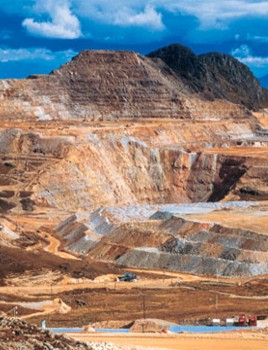
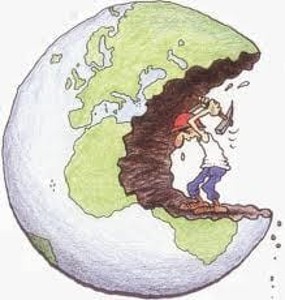
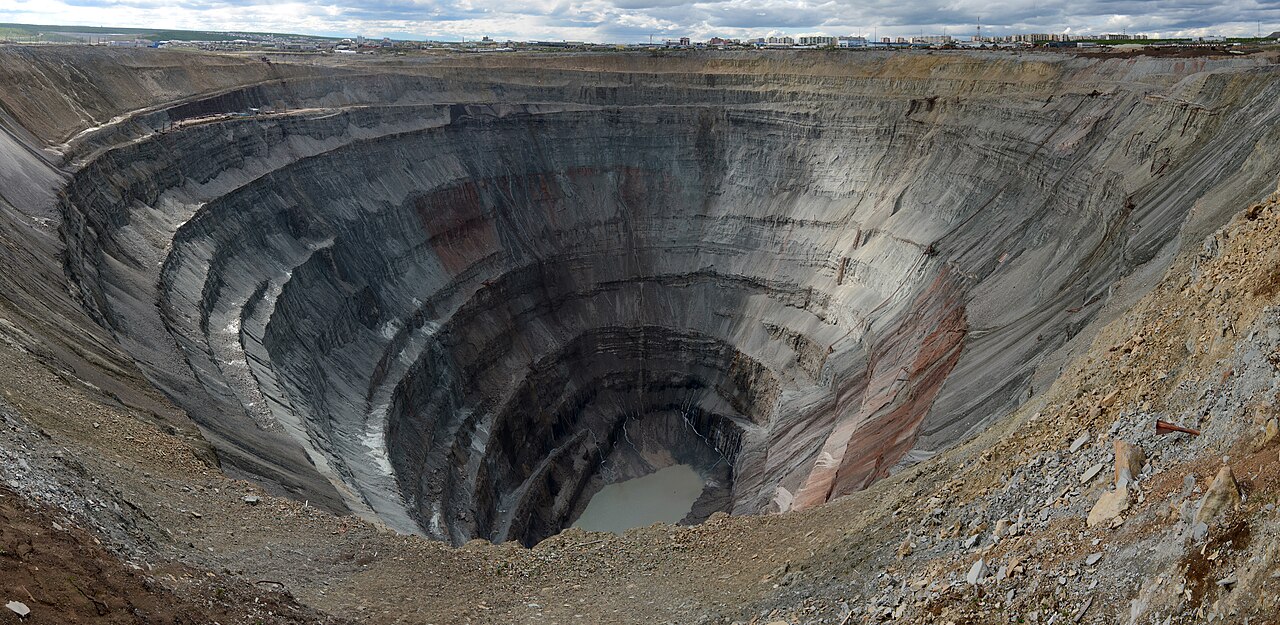
The term extractivism emerged from Latin America to describe the expansion of large-scale extraction of resources that often goes hand in hand with conflicts involving local communities that contest the extraction of resources intended for export. Originating in political science, the concept criticizes the reduction of nature to single extractable resources at the expense of others. Over time, the term has expanded to include non-mineral resources and other geographical contexts.
In the context of the Energy Transition, extractivism is particularly relevant, as the demand for certain mineral resources – such as copper and rare earth elements – and gaseous resources – such as hydrogen – is expected to increase.
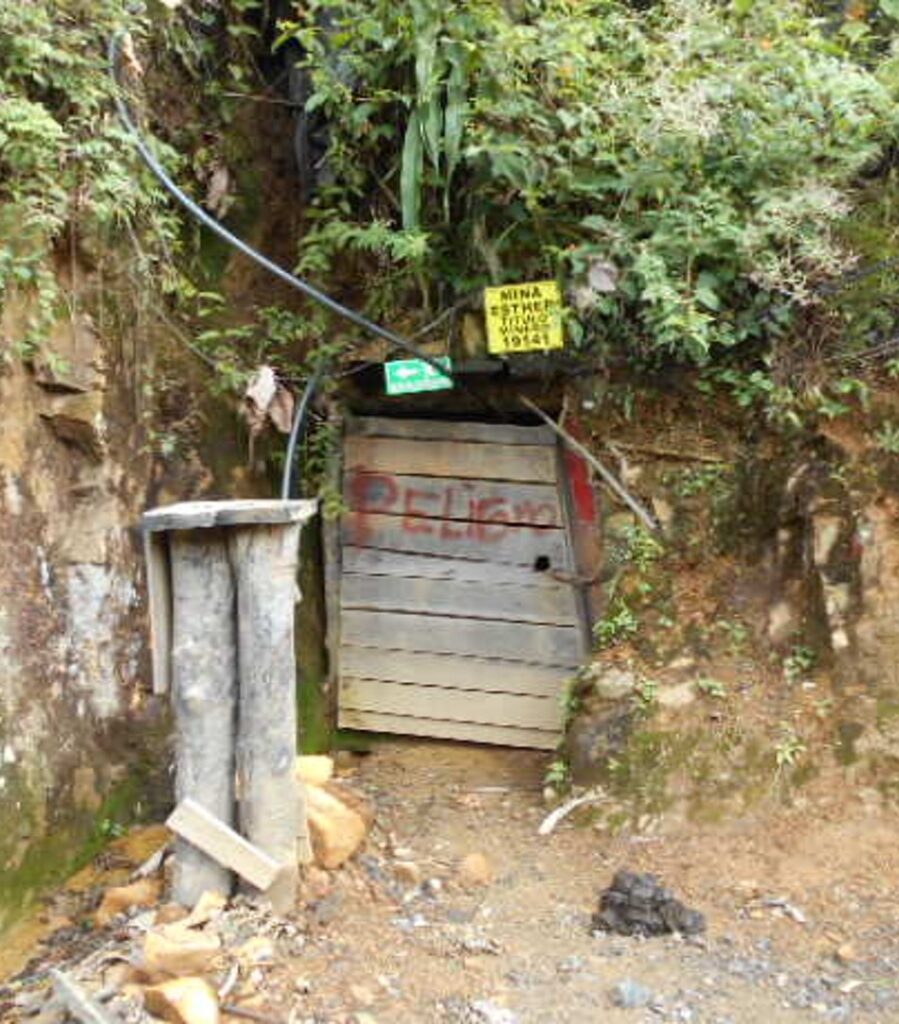
In my presentation, I will introduce the concept of extractivism with examples from Latin America and then discuss its theoretical and empirical shortcomings. These include the neglect of bodily and gender dimensions, the marginalization of artisanal and small-scale mining, and the lack of engagement with the materiality of resources.
After the presentation, I will discuss with a transdisciplinary team of experts how the notion of extractivism can be expanded to include research on both future and past forms of resource extraction.
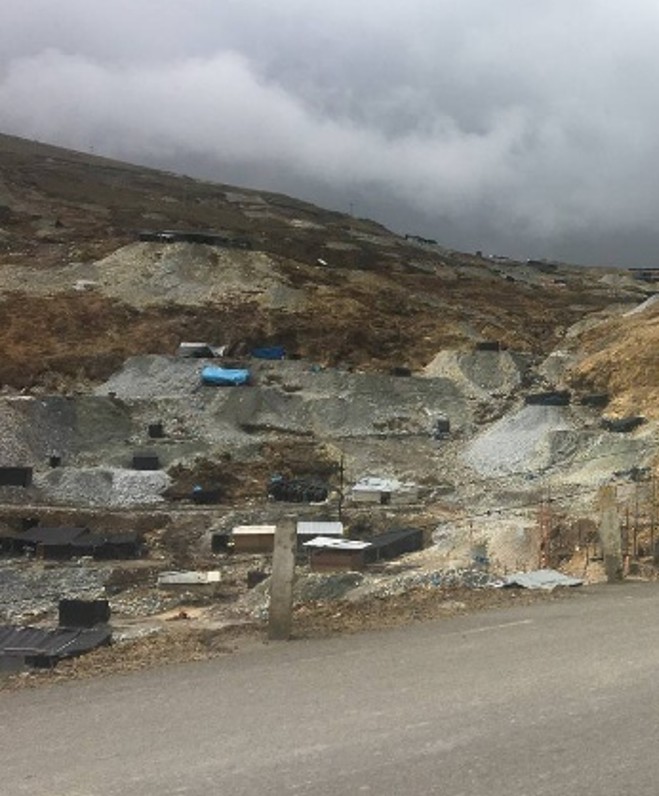
Hamilton, Dorothea (2025): The invisible afterlives of extractivism: a queer feminist landscape perspective on Quiruvilca, Peru. In: Environment and Planning E: Nature and Space 8 (6), Artikel 25148486251374656. DOI: 10.1177/25148486251374656.
We invite the participants and the audience to an informal reception after the panel.
She holds a PhD in Geography from Justus Liebig University Giessen and has conducted several field studies in Latin America, with a strong focus on Peru. Before working as a ReForm postdoctoral researcher, she held positions at Philipps University Marburg and the Pontificia Universidad Católica del Perú.
Her research interests lie in resource conflicts and the role of resources in peacebuilding, mine closures, and artisanal and small-scale mining in the context of the energy transition – always approached through a gender-sensitive lens.